Large Wood Burning Stove: The Good, The Bad, And The Ugly
Buying a Large Wood Burning Stove A large wood burning stove is a great method of heating a home. There are a variety of factors to consider before purchasing a wood burning stove. For instance, the dimensions of the firebox as well as the ash drawer are crucial aspects to take into consideration. A fireplace with high output can provide warmth for longer durations of time. Choose a stove that has a large firebox and pellet hopper. Size There are a lot of things to consider when choosing a wood stove. Functionality and aesthetics are only two of them. The most important aspect to consider is the size. A stove that's too small won't be able to heat your home. But, a stove that's too large will overheat the room and increase energy consumption. Utilizing a sizing calculator to determine the best wood stove size for your space is advised. The dimensions of the stove don't always reveal the entire story because they are a measure of the volume of the firebox and not the heating capacity. The size of the firebox will affect how much heat is produced as well as the length of time the fire burns for, and the capacity of the home to keep that heat. The optimum size for your stove will be determined by the dimensions and layout of your home and how open your floor plan is, and the degree of insulation. A large wood stove has a firebox that can store up to 4 cubic feet of logs and give you enough heat to fill your entire home. The large viewing window allows you to admire the stunning flames while they heat your home. This huge wood burning stove can be used to heat a house that is up to 2,200 square feet. Large wood stoves are more efficient than smaller ones. They are more efficient because they have more space for combustion and are able to burn a larger number of logs. This results in more complete combustion, which reduces waste and emissions. This also means that your wood stove can continue to run longer on the full load of logs and is better for the environment. Another consideration when selecting a large wood burning stove is the EPA certification, and whether it uses secondary or catalytic combustion. EPA certified stoves are more environmentally friendly and can be used in homes that don't have a chimney. They are also tested for emissions, which means they are more efficient than non-certified models. Oversized or undersized stoves are dangerous because they overheat the area and can cause an increase in creosote. Creosote is a potentially dangerous substance and can cause chimney fires. The correct stove size can help to minimize these risks, and make your home heating more comfortable and safer. Heat output A big wood stove will provide the warmth you require to keep your home or cabin warm. This depends on a number of factors such as the size of your room and the climate of your region and the insulation as well as the arrangement of your home. It is essential to accurately calculate your BTU requirements so that you can get the right size stove to provide maximum warmth and comfort. The ideal size stove can reduce the use of fuel and also the production of creosote. The best way to do this is by choosing a model that offers high-efficiency heating. This is achieved by maximizing airflow and maximizing the combustion process. This results in increased efficiency of the fuel and less emissions. You should also think about whether you plan to use the stove as a primary source of heat or as an additional heating device. If you are planning to use the stove for an accent piece it is possible to go with a smaller. This will also permit you to cut down on the amount of time you'll spend managing the fire and allow you to keep the flame warm. Most stoves come with a nominal and maximum power output rating. The nominal output is the highest power that the stove can produce, based upon the efficiency rating. The maximum output is what the stove will actually produce in different conditions, and is more accurate. The kind of fuel used in the stove also affects the BTU output. Dry, hard wood will generate more heat than soft, damp wood. Additionally, selecting seasoned firewood will increase the amount of heat. Examine the model to determine whether it has a spacious top. wood burning fires can accommodate larger cookware, and are ideal for making rich meals like stews and casseroles. These stoves also provide an improved airflow that allows you to simmer your food longer, which will ensure a delicious meal and warm interior. Easy of use A large wood stove can be a focal point for the room and can add warmth and comfort to the space. Some stoves feature flat cooking surfaces, which adds another practical aspect to their functionality. In addition a well-designed baffle system can help the stove to be more efficient in burning, thereby saving money and time on firewood. The size of the stove you choose depends on the area of the area you are heating. Also, you should consider the room's insulation and temperature zone. If you are planning to heat your home using an individual stove choose one that is EPA certified and has high efficiency in heating. If you're purchasing an enormous wood burning stove, make sure you study the manual to find out how to use it. You can also find helpful tips and suggestions by visiting the manufacturer's site or contacting customer support. It is crucial to use wood that has been seasoned in your stove because it has been dry for a number of months, if not years. This decreases moisture, which can lead to a lot of creosote or smoke. You can buy kiln dried wood at many convenience stores, gas stations, garden centers, hardware stores, and even online. Large wood stoves can be an excellent source of heat in the home, however they have to be fed frequently to keep them hot and producing heat. They should be fed with small sizes of logs to prevent overfeeding, which could increase the amount of creosote emitted and cause chimney fires. Stoves that have been fuelled by seasoned wood are more efficient than stoves that are fed with green (un-dried) logs. A large wood stove that has an efficient heat rating will provide more heat for less fuel making it a more affordable alternative to heat your home in cold weather. However, you must be cautious when choosing the stove's size to ensure it can function within your home. A poorly designed stove may result in poor performance and a fire in the chimney, which is dangerous to your health. You must determine the size of your chimney as well as the distance of the stove from any flammable substances prior to installing it. Safety The warmth of a large wood-burning stove can be wonderful, but if it is not properly installed and maintained it could result in a house fire. It is important to keep a fire extinguisher in your home and use it according to instructions. It is also a great idea to let your local Rockford Mutual agent know that you own a wood stove so they can offer the most appropriate protection for your Homeowners Insurance. The size of your stove will determine the amount of heat it generates and how efficiently it will perform. Small stoves are suitable to heat a room, while larger wood burning stoves can be used to heat a whole home and larger ones can heat larger open-plan houses and cottages that are used in winter. When determining the proper size of wood burning stove, think about the area of the room to be heated as well as any energy efficiency features that are in the house. When selecting a wood stove, select models that are low-emissions. Modern wood stoves are certified to emit 1 to 4 grams of particulates each hour. This is a far lesser amount than the 20-30 grams of particulates an hour that older stoves produce. It is also crucial to regularly inspect your stove for leaks or cracks. These could allow dangerous gases to escape into the home and decrease the effectiveness of the stove. Also, make sure you keep a safe distance from your stove and any combustible material like furniture, curtains, walls and anything else that could catch fire. 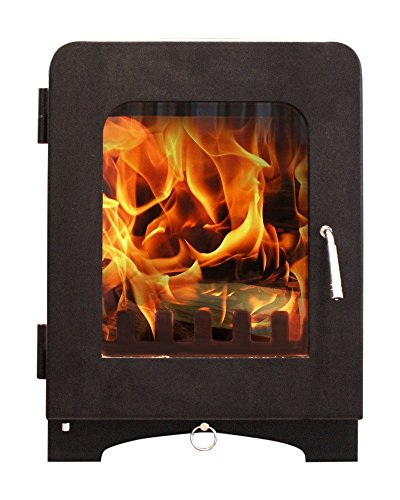 A stove installation professional will ensure that it meets all UK safety standards. This is especially important if you are planning to install your stove in a smoke-control zone. A certified installer will make sure that there is sufficient ventilation and that flue systems are installed or designed, and that the installation meets building regulations in your area. They will also assist you to choose a stove that's the appropriate size for your space and aligns with the safety standards for wood stoves.